HOA Policy Drafts at 1150 K Street NW Raise Legal Risks
Because transparency doesn’t mean much if the policies are broken to begin with.


Disclaimer: I write as a concerned owner and not a legal authority. The views expressed in this post are based on non-confidential communications and personal observations. They are intended to raise awareness and encourage open dialogue, not to accuse any individual or entity of wrongdoing. Any errors are unintentional, and I welcome clarification or correction if appropriate.
This post is part of an ongoing series about life inside 1150 K Street NW and how DC’s condo owners are being left behind. Read the first story here.
The condo board at 1150 K Street NW in Washington, DC, a high-rise condominium building, recently circulated a set of draft policies for community review. That level of transparency is a step in the right direction — and they deserve credit for that. The property is managed by Gordon James, and Rees Broome serves as legal counsel to the Association. It is not clear to me whether either party was involved in drafting or reviewing the materials that were distributed.
After reading every word of the drafts, I’m left wondering: How did documents this unclear, inconsistent, and legally risky get sent to homeowners for approval?
As a resident, lawyer, and policy professional, I reviewed the drafts closely. What I found wasn’t just bad formatting or awkward phrasing. It was structural confusion, missing safeguards, outdated references, and a tone that often felt more adversarial than collaborative. What follows are my personal observations, concerns, and recommendations — grounded in what I believe are reasonable expectations for any governing body claiming to serve a community.
Why the HOA Policy Format at 1150 K Street NW Is a Barrier to Clarity
Let’s start with the presentation. Most of these documents open with dense, outdated recitals citing obscure bylaw sections — “pursuant to Section 3.1.5(a)(ii) of the Condominium Instruments,” and so on.
These intros might satisfy legal formalities, but they do nothing to support clarity or compliance. If anything, they send a message: this policy isn’t for you — unless you’re fluent in legal jargon.
If the goal is owner understanding and voluntary compliance, this format fails. These references should be moved to footnotes or an appendix, and the core text should focus on plain-language, accessible guidance.
Vague, Threatening, and Hard to Follow: The Tone of 1150 K’s New Rules
It’s giving: aggressive and ambiguous (at least IMO) — like being fined for breaking a rule you didn’t know existed, in a language you don’t speak.
That was the prevailing tone across multiple policies: I experienced them as simultaneously threatening and vague. It seemed that owners are expected to comply with standards that aren’t clearly defined, enforced through unclear processes, and referenced in documents that may not even be public.
If you’ve ever felt like your HOA was treating you more like a defendant than a dues-paying owner — you’re not imagining it.
Unit Alteration Policy at 1150 K Street NW: Legal Gaps & Resident Concerns
The Unit Alteration Policy was one of the most troubling. While I’m sure it aimed to clarify renovation procedures, it left enormous gaps.
Some key issues:
- It references an outdated Rules & Regulations document that may no longer be enforceable or accessible.
- There’s no clear definition of “structural elements,” which has long led to inconsistent, sometimes arbitrary decisions.
- It states the Board has 45 days to respond to applications — but silence is treated as an automatic denial, with no appeal process or reapplication guidance.
- It includes no protections for residents when Association vendors enter their homes, despite repeated reports of unresolved damage.
- Unlicensed or owner-performed work involving plumbing, HVAC, or electrical systems is not prohibited — a serious oversight.
- There are no required inspections or documentation for in-unit work, even though residents have made major changes without informing the Association.
- And despite noise complaints being one of the top sources of frustration in any high-rise, there’s no mention of flooring soundproofing, underlayment requirements, or linked information about how to report noise issues or how they will be dealt with.
This policy feels less like a safeguard and more like a vague warning label. It’s hard to enforce, easy to weaponize, and does not appear to offer meaningful protection — for residents or the building.
Condo Insurance at 1150 K: Deductibles, Confusion, and Risk
Let’s talk about insurance — because at 1150 K, most owners have no idea how it actually works, and the documents currently available aren’t helping.
Here’s what I’ve gathered: at 1150 K, if damage originates in your unit — even if it affects common areas or neighboring units — you may be personally responsible for the entire master policy deductible. This is a major issue for any owner trying to understand condo insurance coverage and HOA deductible responsibility. That deductible? Currently $50,000, as stated in a memo. But the official policy draft lists it at $10,000.
So… which is it?
Get Brianna Lee Bates’s stories in your inbox
Join Medium for free to get updates from this writer.
And why was this change communicated via an informal memo instead of a formal vote or policy adoption? That memo didn’t include advance notice or owner education. And yet it shifts a significant financial burden onto every resident.
Worse, if the owner doesn’t have sufficient HO-6 coverage, they may be left footing the bill or stuck in a claims dispute. Meanwhile, the Association retains no records of original finishes or upgrades, leaving owners to somehow prove what was “original” if a claim arises.
The result?
Even basic insurance claims become an exhausting back-and-forth between adjusters, residents, and vague policy references. There are contradictions between the flowchart, memo (which I wrote about here), and policy. No clarity on fault determination. No clear timeline. No appeal rights.
And if the owner doesn’t have the right coverage? Too bad. There’s no education, no compliance enforcement, no standard FAQ or talking points to help owners protect themselves.
This isn’t policy — it’s liability waiting to happen.
Parking and Safety Rules at 1150 K Street NW Miss the Human Element
Dear HOA: This isn’t a courtroom, and I’m not your defendant. But you wouldn’t know that from the tone and energy of the Safety Policy— and that’s a problem.
The policy seems focused solely on protecting the Association from liability. That’s a huge concern in any Washington, DC high-rise condo community where owners expect safety and clarity. But there’s no commitment to track incidents, assess building risks, or inform residents when there’s an issue they should know about.
It’s technically compliant — but emotionally tone-deaf. And that’s not good enough when we’re talking about people’s homes.
The Parking Policy has a similar energy — heavy on enforcement, light on clarity and fairness. It:
- Flatly bans EV charging with no alternatives or criteria-based requests.
- Includes a sweeping indemnity clause that may attempt to waive claims even in cases of Association negligence.
- Lacks clear rules for temporary vehicles, guest passes, or appeals.
- Offers no flexibility, no education, and no recognition of past administrative missteps that have already frustrated residents.
These aren’t just paper problems — they create real-world friction that undermines community trust.
Front Desk Policy at 1150 K: Waivers Without Accountability
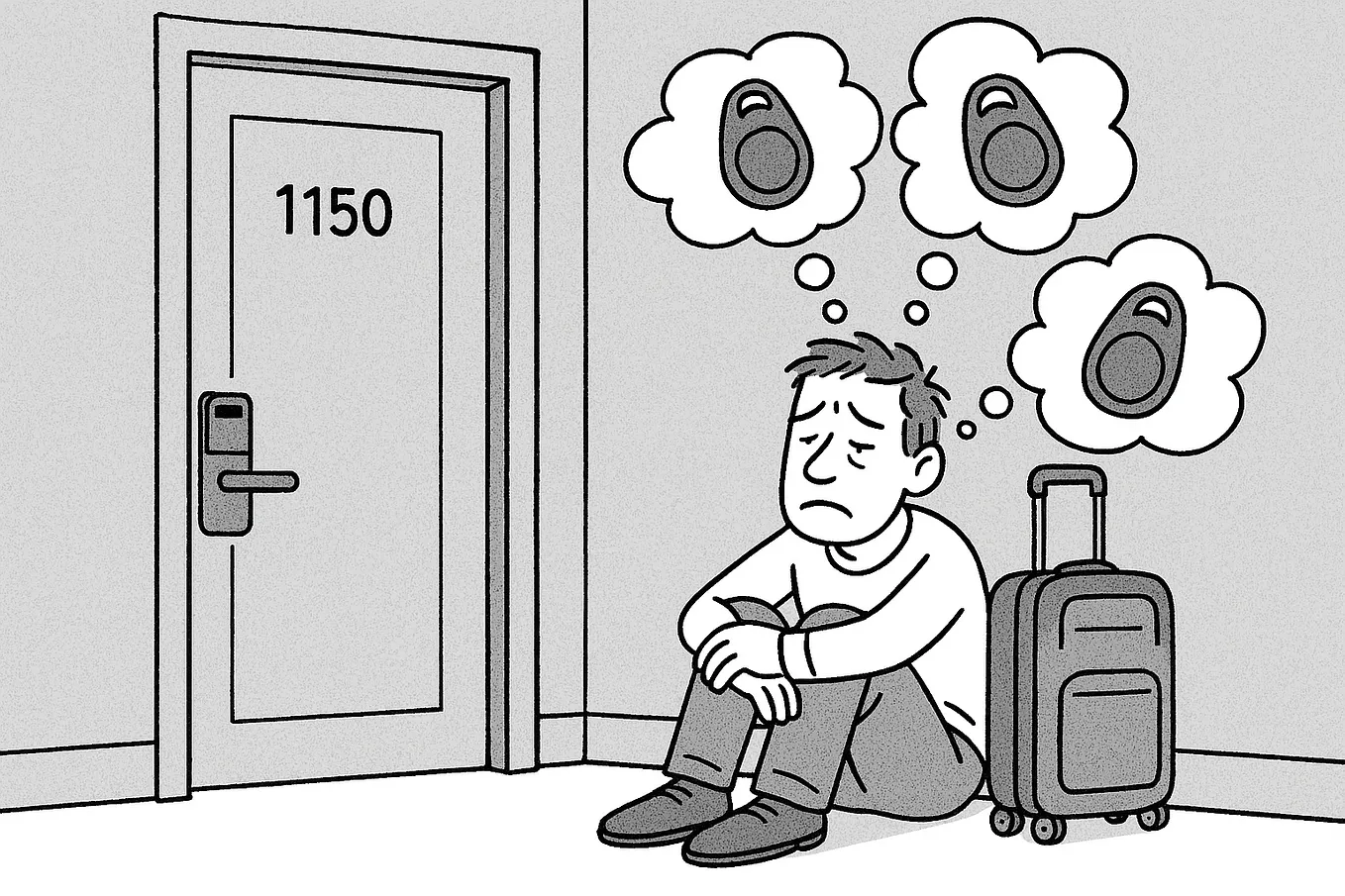
And then there’s the issue of access and accountability at the front desk. After I left a spare key fob set at the desk and it went missing I expressed concerns and was told the desk does not keep any log of who items are given to. Later, I was handed this paper waiver to sign — one that attempts to waive all liability and indemnify the Association for any damage caused by releasing keys to third parties. This “solution” wasn’t communicated building-wide, wasn’t opened for community input, and wasn’t paired with any modern tracking or check-out system.
Let me be clear: this is not an acceptable standard in 2025. We live in a building with full-time front desk staffing and a smart entry system (Alphatouch), yet we’re relying on paper waivers that are unlikely to be enforced, honored, or even remembered the moment they’re signed. There’s no digital log, no signature verification, no policy integration with our access system — and no transparency.
It’s not just dated — it’s offensive to residents who expect managed communities to operate with basic professionalism and accountability. Pushing liability onto residents without fixing the system that failed in the first place isn’t a solution — it’s a shrug. This isn’t just about keys. It’s about the way problems are being handled: quietly, reactively, and without community input.
What These HOA Drafts Say About Leadership and Oversight
To be clear: I don’t believe these problems were caused by bad intent. But intent doesn’t matter when outcomes are this sloppy.
If these drafts were prepared by legal counsel, it may be worth reevaluating how we approach legal review to ensure the final product reflects our community’s needs and legal obligations. If they were developed internally, then it’s clear that our internal processes need serious reform — and external review.
What’s being presented to owners right now is simply not acceptable. We’re being asked to live under policies that are unclear, unenforceable, and in some cases, potentially unlawful. That doesn’t just create confusion — it creates legal and financial risk for the Association, and for all of us.
And in the process, it erodes trust in an institution that’s supposed to serve us, not fine us into submission.
Final Thoughts: HOA Reform Starts with Transparency and Competence
You can read my full feedback and suggested revisions here. It includes specific, constructive edits intended to align the policies with our governing documents, D.C. law, and basic best practices.
But let me say this clearly: This should never have gotten this far.
Transparency is only the beginning. Without competence, care, and accountability, it’s just a flashlight shining on a crumbling foundation.
Have you had a similar experience in your building, HOA, or co-op?
Drop a comment, share your story, or connect with me on social media to DM me. Let’s compare notes — and maybe start pushing for something better, together.
Want to learn more about what’s happening at 1150 K Street NW? Read the next article in the series →