The Tools That Extract Data From Loss Run Reports for Commercial Underwriting (2026)
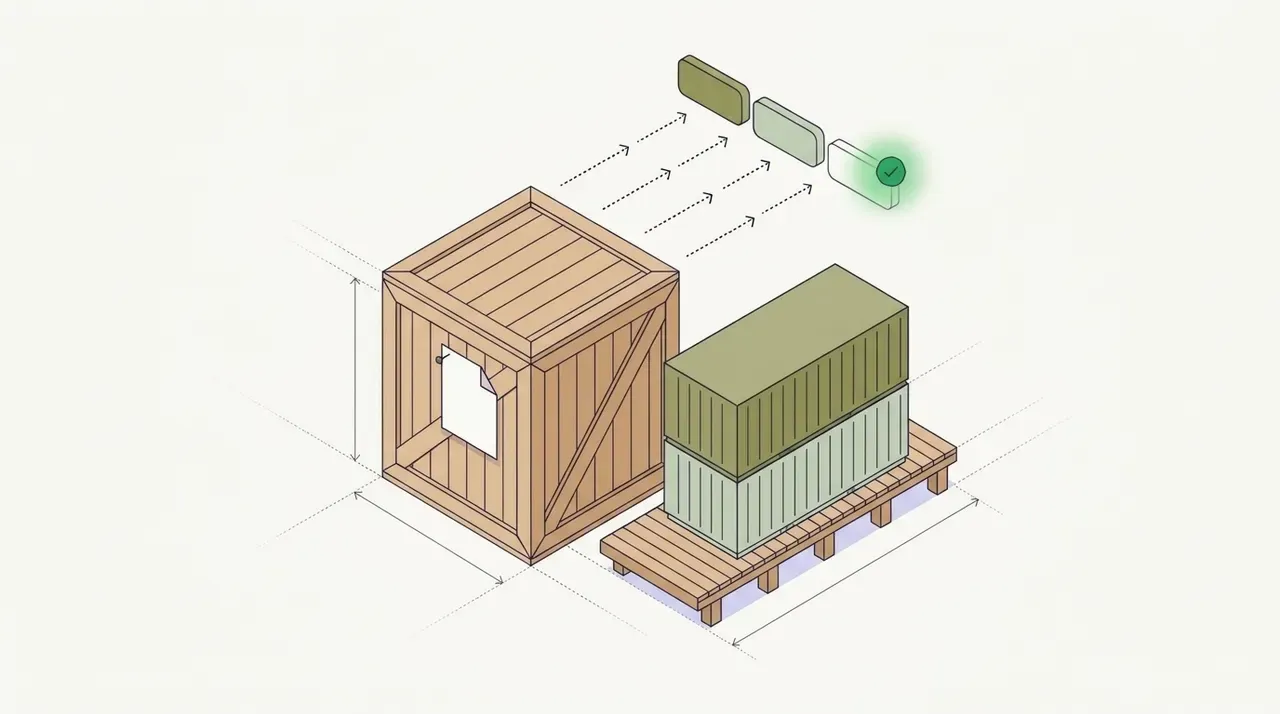
Eleven tools in three groups. Some read the loss runs you have, some fetch them from carriers, and some handle the whole submission.

The short answer. Start with where your loss runs come from.
- To read loss runs you already have, Docsumo fits custom document workflows, where loss runs feed your own checks and systems. SortSpoke and V7 Go fit underwriting teams. Nomad Data fits long, complex files, and Sensible fits engineering teams.
- To order loss runs from carriers, InsurGrid fits agencies, and Loss Scan and Outmarket fit brokers preparing renewals.
- To handle the whole submission, Heron, Indico Data and FurtherAI read loss runs as one part of broker intake.
Docsumo publishes this, so it comes first. Each entry says where it fits and where another tool is the better choice.
Why loss runs are hard to automate
A loss run is a carrier’s report of the claims on a policy. Underwriters use it to price a renewal or a new account.
Three things make it hard to read by machine.
- Every carrier formats it differently. One sends a neat table, another a scanned printout, a third an Excel file.
- One report can mix policies. Claims for several policy years, lines and locations sit in one file, often with subtotal rows in between.
- The numbers depend on a date. Paid, reserved and incurred amounts are true as of the valuation date. A report valued last year tells a different story from one valued last month.
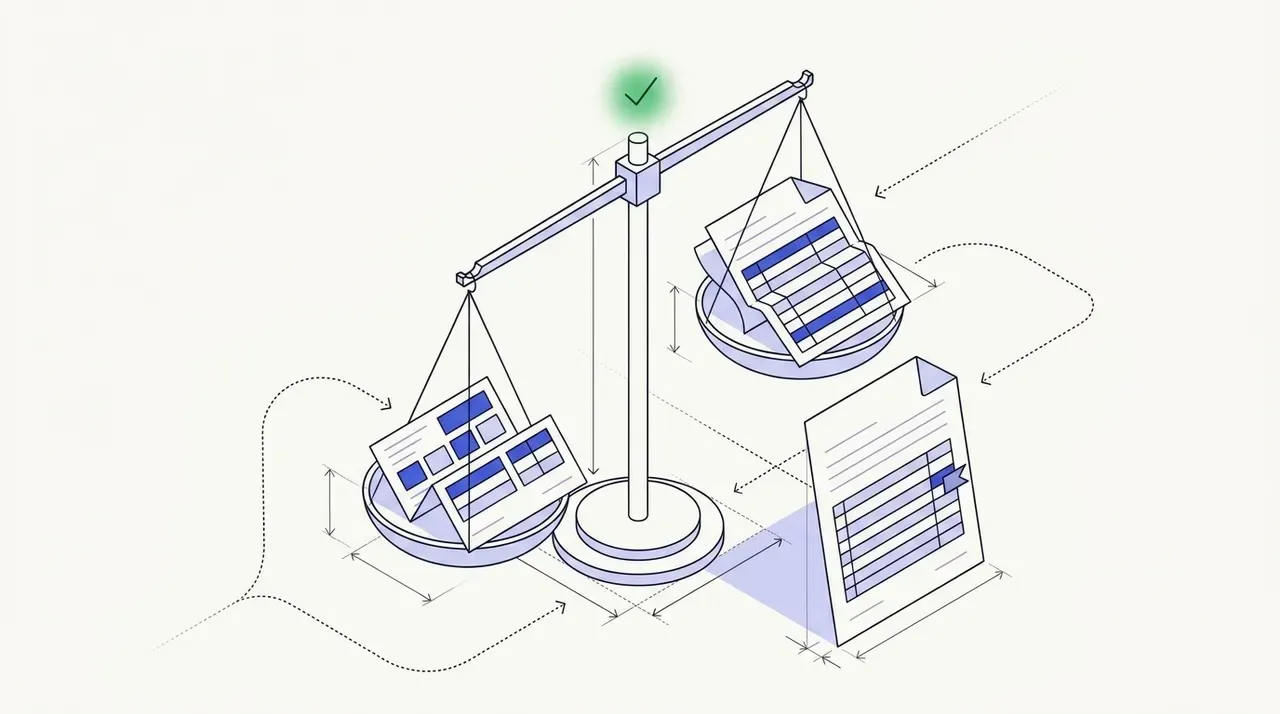
So a useful tool does more than read. It turns five carriers’ reports into one claims history, and it notices what’s missing.
What to pull from a loss run
At the top, pull the carrier, the insured, the policy number, the policy period and the valuation date. Then, for each claim, pull the claim number, the date of loss, the status and the cause. Last, pull the amounts paid, reserved and incurred.
Then check the result. Do the claim rows add up to the report’s totals? Does every policy year you asked for appear? Is the valuation date recent enough for your guideline?
Group 1. Tools that read the loss runs you have
Docsumo
Docsumo is a document AI platform for insurance, lending, healthcare and AP teams. It reads loss runs as PDFs or scans, along with ACORD forms and statement of values spreadsheets.
- One table. Loss runs from several carriers land in one table, ready to filter and export to CSV or Google Sheets.
- Checks. On the Enterprise plan, it checks loss runs against the losses on the ACORD 125. On the same plan, it checks them against your guideline for the years covered and the valuation date.
- Missing years. Its agents email the broker for a missing loss run year.
- Review. Fields under the confidence threshold you set go to your own team. Clicking a field highlights its source line.
- Output. API and webhooks into your underwriting workbench or policy system. Cloud only, with SOC 2 Type 2 and ISO 27001.
- Price. A free 14-day trial covers up to 1,000 pages. Paid plans are quoted.
Docsumo isn’t a rating engine or a policy system, so it doesn’t price, quote or bind.
Best for carriers and MGAs with custom underwriting workflows. Loss runs are read before an underwriter opens the file, and checked against the submission on the Enterprise plan.
SortSpoke
SortSpoke turns any carrier’s loss runs into claims data without templates, and traces every field back to its source. It also reads ACORD forms, statements of values and applications.
- Review. Your own staff, at confidence thresholds you set. SortSpoke says there’s no vendor review pool behind it.
- Output. An API into your policy, rating or underwriting system.
- Security. SOC 2 Type 2 and HIPAA, hosted on AWS in the US, Canada or the EU.
- Price. Not published.
Best for P&C carriers, MGAs and BPOs whose underwriters check every field.
Get Rushabh Sheth’s stories in your inbox
Join Medium for free to get updates from this writer.
Watch for ordering. It reads loss runs you already have and doesn’t fetch them from carriers.
V7 Go
V7 Go is a general document AI agent platform. Its loss run template extracts claims, calculates loss ratios and flags risk trends. Links back to the source let an underwriter check any value.
- Systems. It names Guidewire and Duck Creek, through APIs and data exports.
- Security. SOC 2 Type II, ISO 27001 and HIPAA.
- Price. Not published. It sells annual agreements built from the platform, users and pages processed.
Best for underwriters and risk analysts who want agents they can configure themselves.
Watch for data location. Its security FAQ says V7 Go data is stored on Google Cloud servers in Belgium.
Nomad Data (Doc Chat)
Doc Chat reads very large files, such as claim files and loss runs, and links every answer to its source page. It normalizes loss run claims and writes loss summaries.
- Output. CSV, Excel or JSON, or PDF summaries for review.
- Security. SOC 2 Type II and HIPAA.
- Price. From $3,000 a month. Nomad’s own team handles setup and mapping.
Best for carrier claims and underwriting teams with long, complex files that want the setup done for them.
Sensible
Sensible is a developer-first extraction API. It reads loss runs, EOBs and medical claim forms, with a review queue on every plan.
- Price. Growth costs $449 and Scale $1,349 a month, billed annually, with a 14-day trial.
Best for engineering teams building loss run intake into their own software.
Group 2. Tools that fetch loss runs from carriers
InsurGrid
InsurGrid collects the insured’s e-consent, then requests and retrieves loss runs from carriers. It captures claim fields such as status, reserve, paid amounts and dates. Its pages list HawkSoft, EZLynx, AgencyZoom and Salesforce.
- Price. One plan at $99 a month, or $79 a month billed annually.
Best for independent and commercial-lines agencies gathering loss runs before a renewal or remarketing.
Watch for carrier coverage. Retrieval works for supported carriers only, and the price page names dec page extraction but not loss runs, so confirm what the plan covers.
Loss Scan
Loss Scan, now part of Deep Vector, orders loss runs, extracts the claims and tags each one by cause, injury and coverage. It builds branded stewardship reports. It says it supports 5,000+ carriers. When totals don’t reconcile, the report can go to human review.
- Security. SOC 2 Type II.
- Price. Not published. You can test your own loss run for free.
Best for brokers preparing renewals and stewardship reports.
Watch for integrations. No API or agency system is named.
Outmarket
Outmarket is a broker workspace. Its loss run feature extracts every claim, groups claims by client and writes AI loss summaries. It orders loss runs through a partner, Loss Run Pro. It connects to Applied Epic, HawkSoft, ImageRight, AMS360 and Nexsure.
- Review. Your users check each claim side by side with its source, and totals that differ are flagged.
- Price. Loss runs are on the Enterprise plan, which is quoted and needs five seats.
Best for brokerages that want loss runs inside a workspace tied to their agency system.
Group 3. Platforms that handle the whole submission
Heron picks up broker submissions from email and reads the supplementals and loss runs inside. It tests them against your appetite, loss history included. Indico Data splits each submission into its documents, loss runs included. It also has a ready-made link to Guidewire PolicyCenter. FurtherAI structures multi-year loss histories into tables and summaries as part of a wider underwriting and claims workspace. None of the three publishes prices.
Best for MGAs and carriers that want loss runs handled as part of broker intake, not as a separate step.
Test before you choose
Pull five recent submissions with loss runs from at least five carriers. Include a scanned printout, an Excel file and a report with several policy years.
Then ask each tool for one claims history per account. Count the claims it missed, the amounts a person fixed and the missing years it flagged. The last number matters most, because an underwriter can’t price a year nobody noticed was gone.
Docsumo reads loss runs and, on the Enterprise plan, checks them against the submission. See Docsumo for insurance.