From Recess to Realignment: Crypto, College Sports, and Midterm Crunch Time
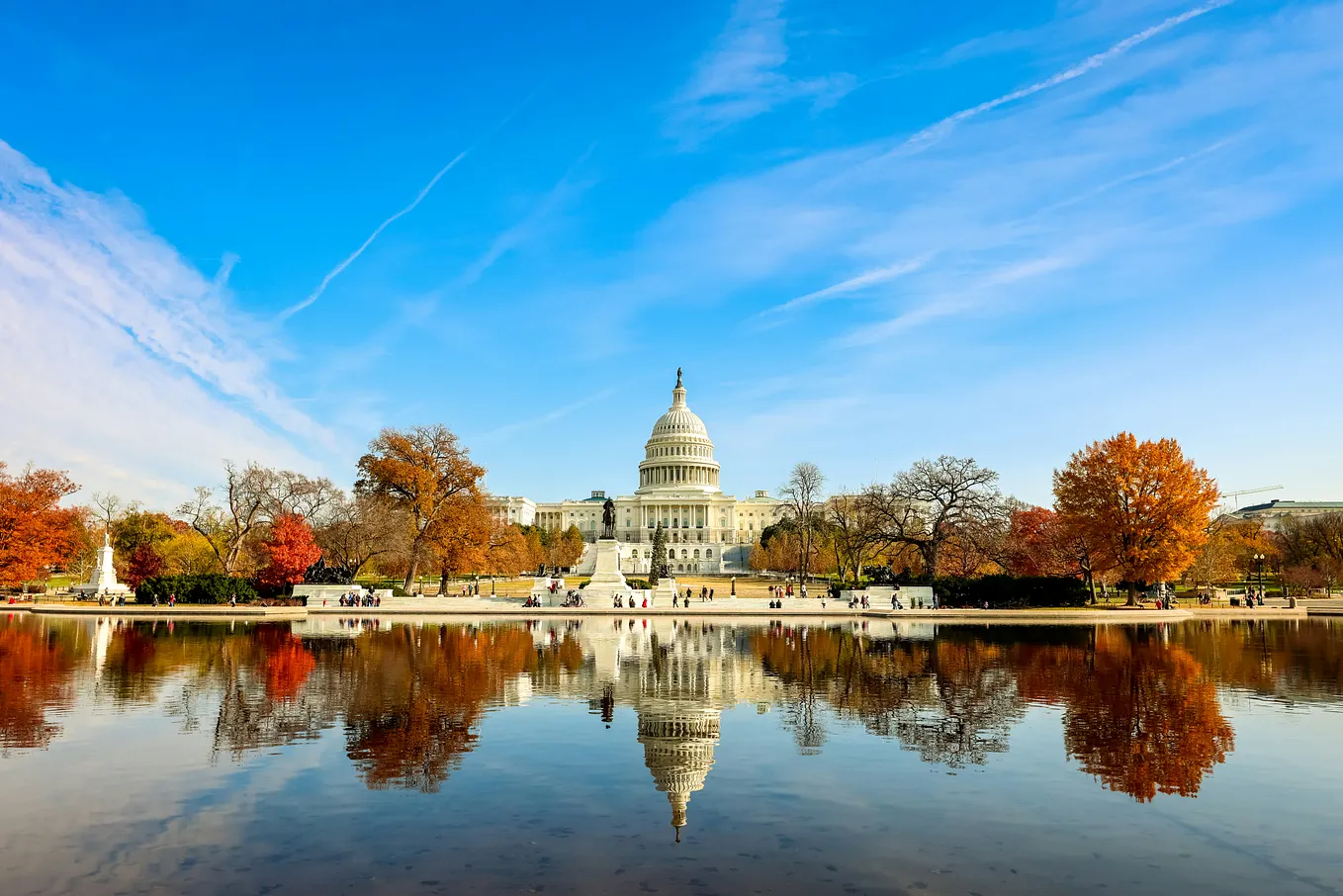
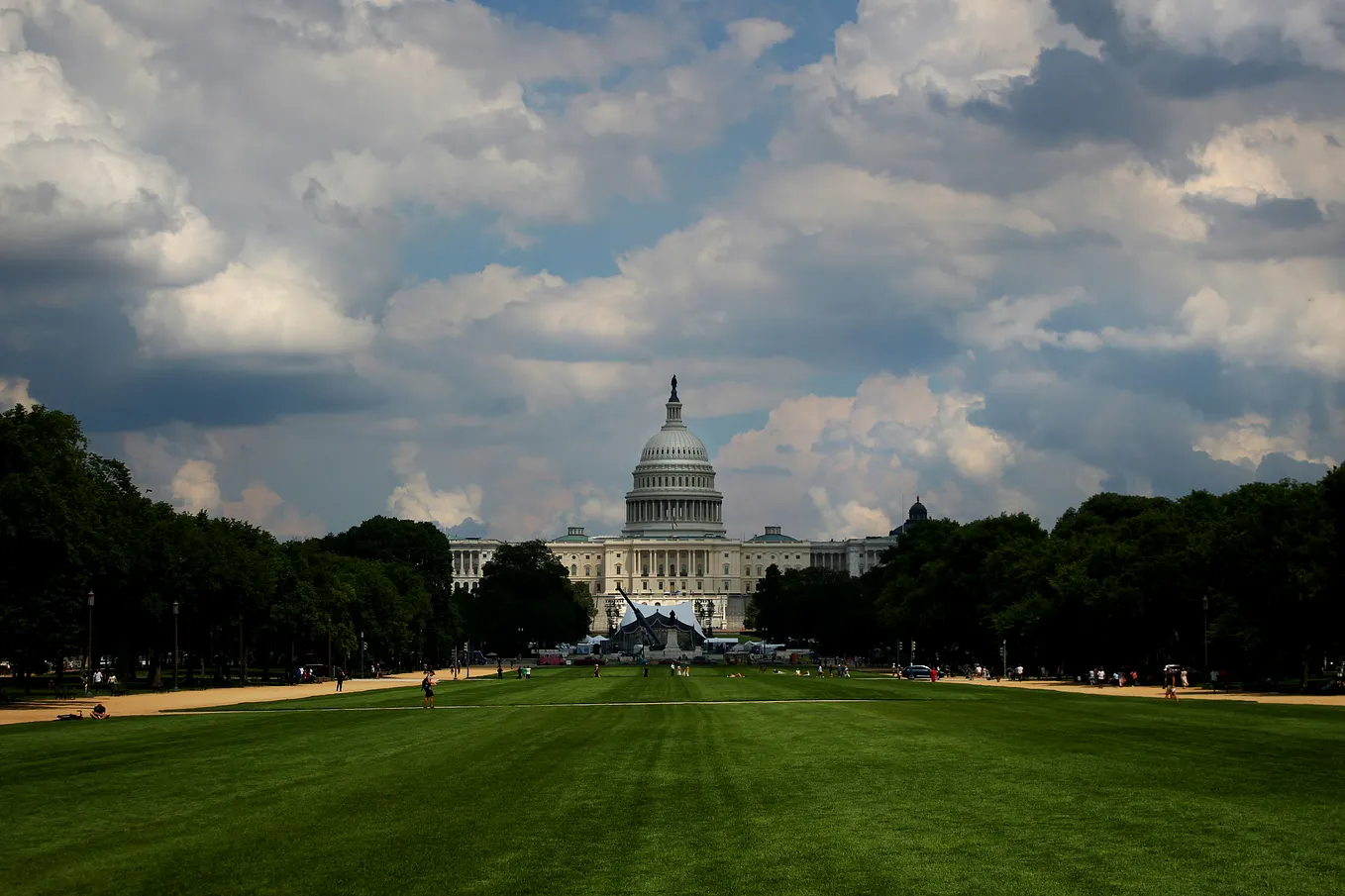
After a five-week summer recess spent dodging heatwaves and campaigning back home, the Senate officially returned to the Capitol on September 14 with a ticking clock: avoiding a government shutdown when the fiscal year ends on September 30. While Congress ultimately cleared a Continuing Resolution (CR) extending federal funding through December 11, the scramble to get there jumped senators straight from vacation mode into high-octane legislative theater.

The Headliners: Crypto Battles, Primary Winners, and the September Crunch
The Clarity Act’s Ethics Showdown
Fresh off the break, senators dove headfirst into a high-stakes September 15 procedural vote on the Digital Asset Market Clarity Act (H.R. 3633), a landmark bill that passed in the House before coming to the Senate and aims to establish a federal regulatory framework for the $2.3 trillion crypto market. While sponsors like Senator Cynthia Lummis (Republican, Wyoming) championed the bill as essential for market certainty, negotiations ran into headwinds over ethics safeguards governing digital asset investments by public officials. The constant debates and edits of the bill didn’t save it from failing its procedural cloture vote, falling short of the 60 votes required to advance (49–50).
- This doesn’t necessarily mean the bill is dead; it can be revised and revisited in the future.
The Fiscal Cliff: Ping-Ponging the Continuing Resolution
The defining task for leadership this month is keeping federal agencies open and funded past the September 30 fiscal year deadline, which they did through the Continuing Resolution (CR). Before taking off for State Work Period, the Senate passed a bipartisan Continuing Resolution extending funding through December 11 while freezing proposed OMB grant rules. To protect universities, non-profits, and local governments from funding chaos, Section 157 of the Senate’s bill temporarily blocks new OMB rules that would allow political appointees to pull multi-year grants mid-project. The provision freezes these new restrictions and administrative overhead while full-year budgets are worked out. However, because the House previously approved a version extending funding only through December 4 without those grant provisions, the two chambers must now reconcile their differences. Congress will either “ping-pong” amendments back and forth until one chamber accepts the other’s language or form a joint conference committee to negotiate a unified compromise before the midnight deadline.
Get Avery Maurer’s stories in your inbox
Join Medium for free to get updates from this writer.
South Carolina Settles Its Nominee
While senators were away from D.C., Darline Graham was appointed to temporarily fill her brother’s Senate seat. Next, South Carolina voters held a high-profile special primary election to select the Republican nominee for the midterms. The win secured her spot on the November general election ballot, concluding a whirlwind campaign sprint and solidifying the GOP ticket heading into the fall.
On the Docket
Major policy packages are competing for precious floor time before the midterms:
College Athletics (NIL): Senators Maria Cantwell (Democrat, Washington) and Ted Cruz (Republican, Texas) had been pushing hard for the Protect College Sports Act (S. 4668), which replaces state-level rules with a national framework that grants student-athletes uniform Name, Image, and Likeness (NIL) rights, caps agent fees at 5%, and guarantees long-term healthcare and scholarship protections. It also aims to bring stability to roster turnover by allowing athletes to have one penalty-free transfer, stopping coaches from departing mid-season, and providing targeted antitrust protections for revenue-sharing and media rights pooling. However, the measure remains contested as critics argue its compensation guardrails and roster caps unfairly restrict athlete earnings to protect traditional university spending.
- On September 15, 2026, the bill cleared its first major hurdle by passing a procedural Senate vote (74–24) to end a potential filibuster and move the bill closer to a final vote. The bill still needs an official Senate vote and to pass the House to become law.
The $1 Trillion NDAA: Senate leaders are attempting to restart momentum on the National Defense Authorization Act (S. 4784 / H.R. 8800) after procedural disagreements over foreign war powers stalled the bill in July. NDAA is an authorization bill and does not itself provide budget authority.
What’s Next?
As of September 16th, with only two weeks before Congress adjourns again so members can hit the campaign trail for the sprint to midterms, lawmakers have a razor-thin window to reconcile the budget, clear pending nominations, and ensure the federal government’s lights stay on.
To get these deep dives delivered directly to your inbox, click the Subscribe button below or sign up for IssueVoter’s newsletter.