Member-only story
The Real Boundary of Open-Source Personal Agents: Who Holds the Pen, the Session, the Clock, and the Workspace
A teardown of OpenBot, OpenMuse, and OpenDots, and what the code gives you versus what you still have to build.

Disclosure: I use GPT search to collection facts. The entire article is drafted by me.
Monday morning. An engineering lead notices that a weekend release seems to have broken logins for some users. She hands the problem to an AI assistant: “Check recent GitHub issues, the Slack incident channel, and Sentry errors. Find the likely regression, gather evidence, and write an incident report. Don’t change code. Don’t touch production.”
A chatbot answers with debugging tips. An agent does something different. It pulls the issues, opens the files, lines up deploy times against error spikes, and leaves an editable report in a workspace.
Both started from the same sentence, but they are different machines. The second one needs authorized tools, an environment where work happens, state that survives a crash, a trail of what it did, and a way to stop and ask a human when it’s unsure.
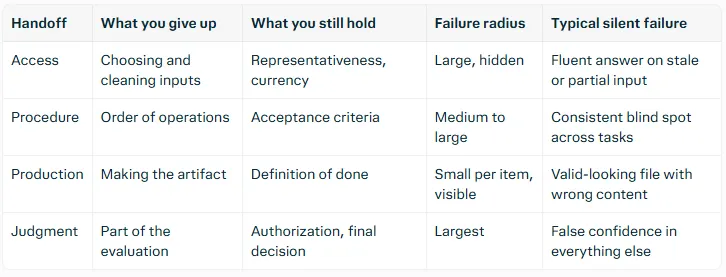
The question this piece answers is narrower than “which open-source agent project is best.” It is this: when you build a personal agent, what exactly are you handing over, what do you still hold, and how far can a…