The Future of Digital Dentistry: Technologies Reshaping Dental Care

Digital dentistry is changing how dental professionals examine patients, plan treatments, and deliver care. Intraoral scanners, 3D printing, artificial intelligence, and remote monitoring are helping practices move away from manual processes toward more connected digital workflows.
A 2025 study published in the Journal of Prosthodontics found that 76% of surveyed dentists used digital tools, with intraoral scanners and digital design software among the most widely adopted technologies. The study also identified cost and limited expertise as barriers to wider adoption. The findings show how digital tools are advancing while highlighting the practical challenges practices still face.
So, what does this shift mean for dental practices? Let’s look at the technologies shaping the future of dentistry and how they can improve everyday clinical workflows.
What Is Digital Dentistry?
Digital Dentistry refers to the use of digital tools, software, imaging systems, and connected technologies to support dental diagnosis, treatment planning, procedures, and patient management.
Traditional dental workflows often depend on physical impressions, manual measurements, and separate systems for patient records and treatment planning. Digital workflows replace or reduce some of these steps by capturing clinical information electronically and making it easier to share across the dental team.
For example, a dentist can scan a patient’s teeth, create a digital model, design a crown using CAD/CAM software, and send the design for milling or 3D printing. Each step uses digital information, helping the team work with greater consistency.
Digital dentistry does not replace the dentist’s expertise. Instead, it gives dental professionals better tools to examine cases, plan procedures, and make informed decisions.
Artificial Intelligence and Machine Learning in Digital Dentistry
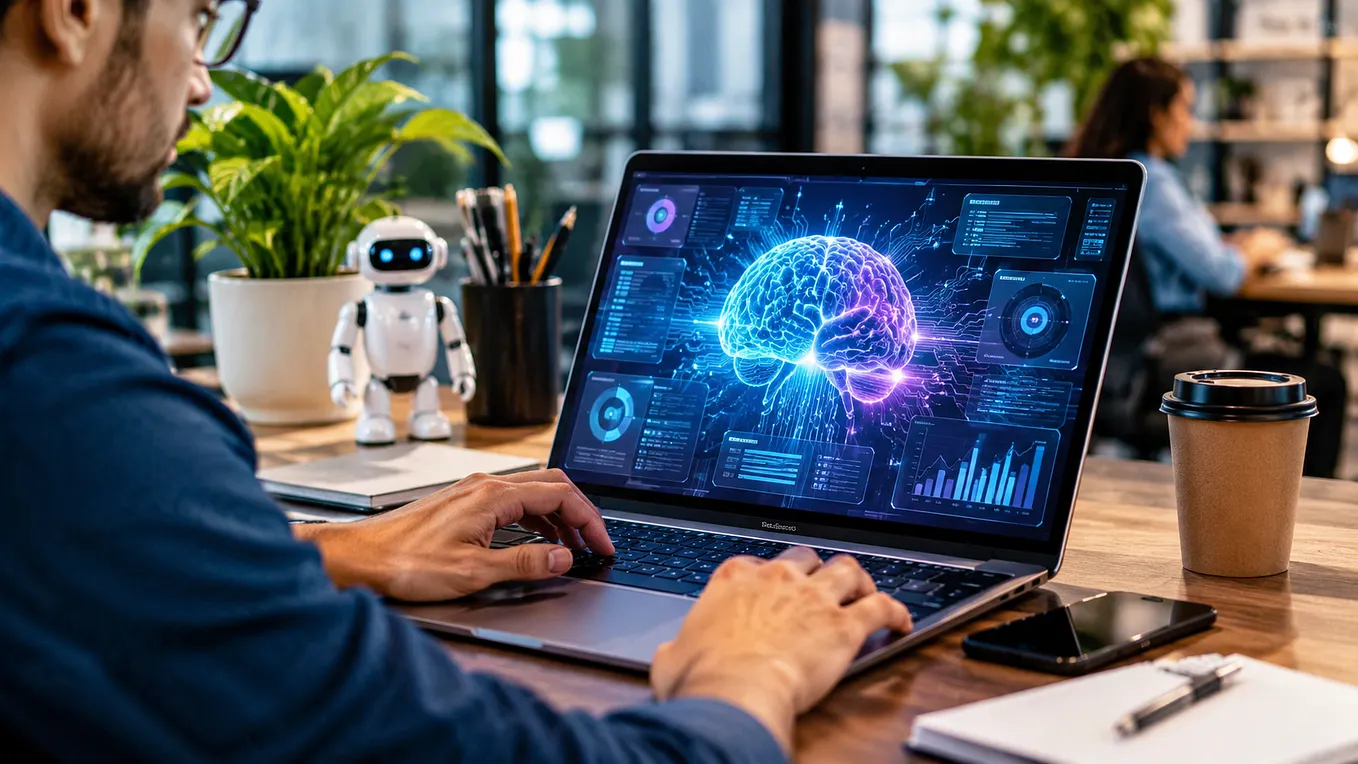
Artificial intelligence (AI) and machine learning are helping dentists analyze clinical information and identify patterns that may be difficult to spot during a manual review.
AI-powered dental imaging tools can assist with identifying possible cavities, bone loss, and other abnormalities in X-rays. Machine learning systems can also analyze historical patient data to support risk assessment and treatment planning.
Beyond diagnosis, AI can help automate appointment scheduling, summarize clinical notes, organize patient records, and support insurance verification. These applications reduce repetitive administrative work and give dental teams more time to focus on patients.
However, AI findings still require professional review. The quality of the output depends on the data, the model, and the clinical context. Dentists remain responsible for interpreting results and deciding on treatment.
Advanced 3D Printing and Additive Manufacturing
3D printing is making dental manufacturing more flexible. Instead of producing every dental component through conventional laboratory processes, practices and dental labs can use digital designs to create physical objects layer by layer.
This technology supports the production of dental models, surgical guides, temporary restorations, custom trays, and certain orthodontic appliances. The exact applications depend on the printer, approved materials, and clinical requirements.
For example, a dentist planning an implant procedure can use digital scans and imaging to design a surgical guide. A compatible 3D printer can then produce the guide to support the planned placement.
The main advantage is a more connected workflow between planning and production. It can also reduce dependence on external manufacturing for selected cases.
Still, 3D printing requires investment in equipment, materials, design software, and staff training. Printed components also need appropriate post-processing and quality checks before clinical use.
Intraoral Scanners and Digital CAD/CAM
Intraoral scanners are replacing conventional impressions in many dental workflows. These handheld devices capture images of a patient’s teeth and oral structures, creating a digital model that dentists can review on screen.
Digital impressions can be more comfortable for many patients than traditional impression materials. They also make it easier to store, share, and reuse dental models without managing physical casts.
When combined with computer-aided design and computer-aided manufacturing (CAD/CAM), scanning becomes part of a broader restorative workflow.
A dentist can capture a digital impression, design a crown or other restoration, and send the design to a milling machine or compatible 3D printer. Depending on the case and equipment, this process can reduce turnaround time and improve coordination between the clinic and dental laboratory.
However, digital impressions still require accurate scanning technique. The final restoration also depends on the design, material, equipment calibration, and clinical assessment.
Robotics and Dynamic Navigation Systems
Robotics and dynamic navigation systems are bringing greater guidance to complex dental procedures, particularly implant surgery.
Dynamic navigation systems use imaging data and tracking technology to help dentists compare the instrument’s position with the planned surgical path in real time. This feedback can help the clinician maintain the intended direction and depth during a procedure.
Get CMARIX’s stories in your inbox
Join Medium for free to get updates from this writer.
Robotic-assisted systems can provide additional guidance for specific procedures, depending on the technology and its approved use.
For example, a dentist may plan an implant using three-dimensional imaging and then use a navigation system to guide placement according to that plan.
These technologies can improve procedural control, but they do not guarantee better outcomes in every case. Their effectiveness depends on accurate planning, correct system setup, clinician training, and the patient’s anatomy.
They also involve high costs, so practices need to evaluate whether the technology fits their treatment volume and clinical needs.
Virtual Reality and Augmented Reality in Dentistry
Virtual reality (VR) and augmented reality (AR) are creating new ways to visualize dental anatomy, plan treatments, and educate patients.
VR places users in a computer-generated environment. Dental students can use it to practise procedures or explore anatomical structures in a controlled setting. It can also support training without requiring a live patient for every learning exercise.
AR adds digital information to a view of the real world. In dental settings, it may help display anatomical references or planned treatment information alongside the patient’s actual anatomy.
These technologies can also make patient communication easier. Instead of relying only on verbal explanations, dentists may use three-dimensional visuals to show a patient how a procedure works or what a planned restoration may look like.
Their value depends on how well the tools fit the clinical workflow. They should improve understanding or training rather than add complexity without a clear benefit.
Teledentistry and Remote Monitoring
Teledentistry uses digital communication tools to support dental consultations, follow-ups, and selected aspects of patient monitoring.
Patients can share photographs, complete virtual consultations, and discuss concerns without visiting a clinic for every interaction. Remote monitoring tools can also help dentists track changes during orthodontic treatment or review progress between appointments.
For example, a patient using clear aligners may submit regular photographs through a monitoring platform. The dental team can review the images, check progress, and decide whether an in-person appointment is necessary.
This approach can make follow-ups more convenient, especially for patients who live far from the clinic or have difficulty attending frequent visits.
However, remote monitoring cannot replace every physical examination. Some problems require direct assessment, diagnostic imaging, or immediate in-person care. Practices also need secure communication systems and clear procedures for handling patient data.
How These Digital Dentistry Technologies Work Together
The real value of digital dentistry often comes from connecting technologies rather than using each tool separately.
Consider a patient who needs a dental implant. Three-dimensional imaging helps the dentist assess the jawbone, while planning software supports implant positioning. A digital scan captures the teeth and surrounding structures, and a CAD/CAM workflow supports the design of the final restoration. A surgical guide may be produced using 3D printing, while digital records keep the relevant information accessible to the dental team.
AI may support image analysis, and remote monitoring may help with selected follow-ups.
When these systems exchange information reliably, the practice can reduce repeated data entry and improve coordination between clinical staff, laboratories, and patients.
That is why software compatibility, data security, and staff training matter as much as the equipment itself.
Challenges to Consider Before Adopting Digital Dentistry
Digital technologies offer clear opportunities, but adoption requires careful planning. Equipment and software can be expensive, and teams need training to use them correctly.
Practices should also consider whether new tools integrate with their existing patient management systems, imaging software, and laboratory workflows. Poor integration can create extra work instead of reducing it.
Patient privacy is another priority. Dental records and imaging need appropriate access controls, secure storage, and safe data-sharing processes.
The best approach is to start with a specific problem, evaluate the available technology, and measure whether it improves clinical workflows, patient experience, or operating efficiency.
Conclusion
Digital Dentistry is reshaping modern dental care through AI, 3D printing, intraoral scanners, CAD/CAM, robotics, immersive technologies, and remote monitoring.
Each technology serves a different purpose, but their combined value comes from making dental workflows more connected, precise, and convenient. Practices do not need to adopt every new tool at once. They should focus on technologies that address real clinical or operational needs and integrate well with existing systems.
As these tools continue to develop, digital dentistry will depend not only on innovation but also on responsible implementation, clinical expertise, and a clear focus on patient care.