A Love Affair with the B-24 Liberator
By William Bonnifield
344thSqdn, 98thBGp, 15thAAF


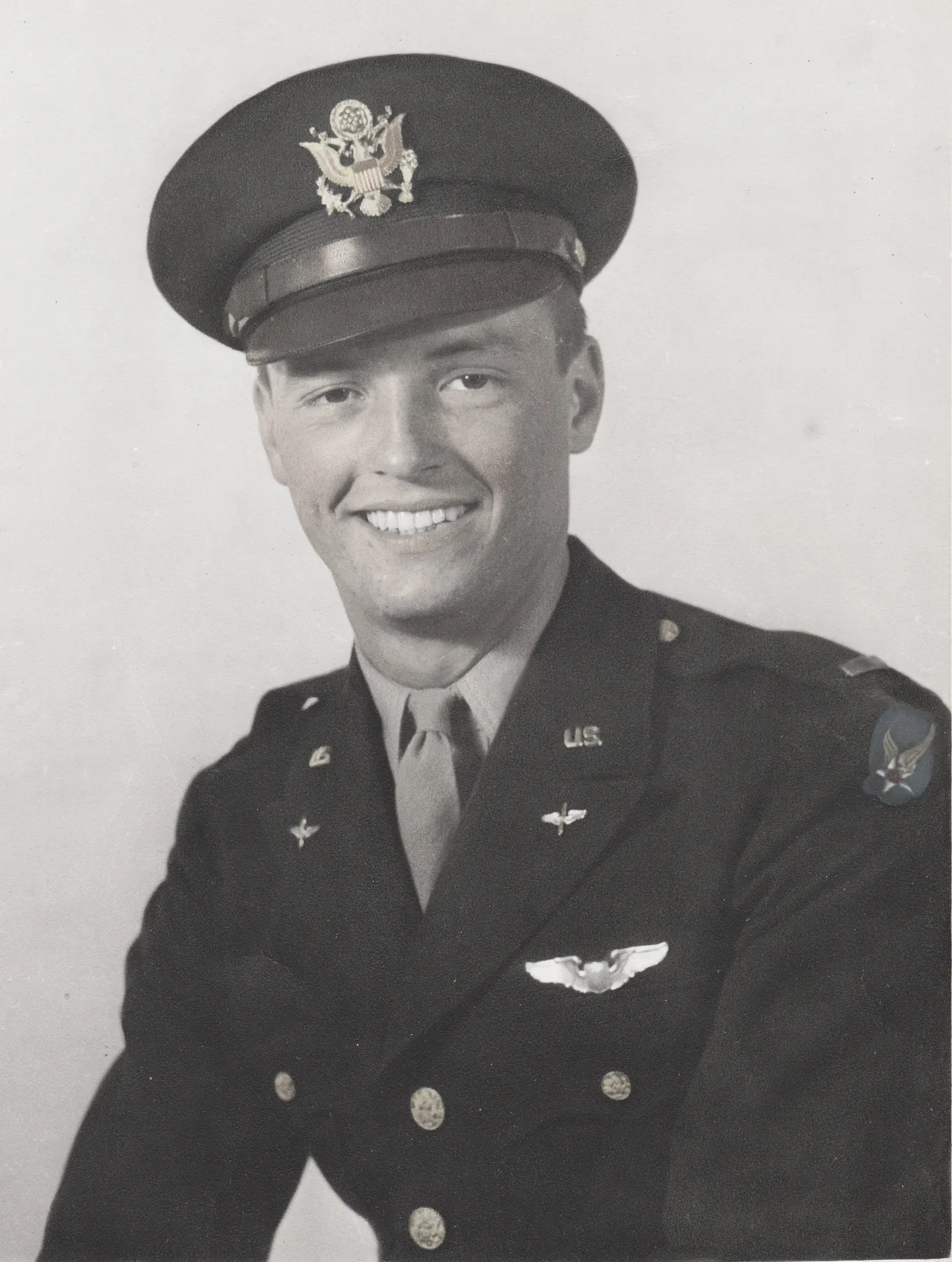
I grew up in San Diego, and watched from our home on Point Loma opposite the Lindbergh Field runway as each newly completed 13–24 took off low overhead on its way to war. I was 15 thru 16, determined at the age of 17 to join the Army Air Corps and fly those planes I’d watched from their inception. By the age of 19, I was roaming the skies of central Europe in a Liberator, and by the age of 20 had completed my missions, the war in Europe ended, had returned to the USAF reserves, and on to college.
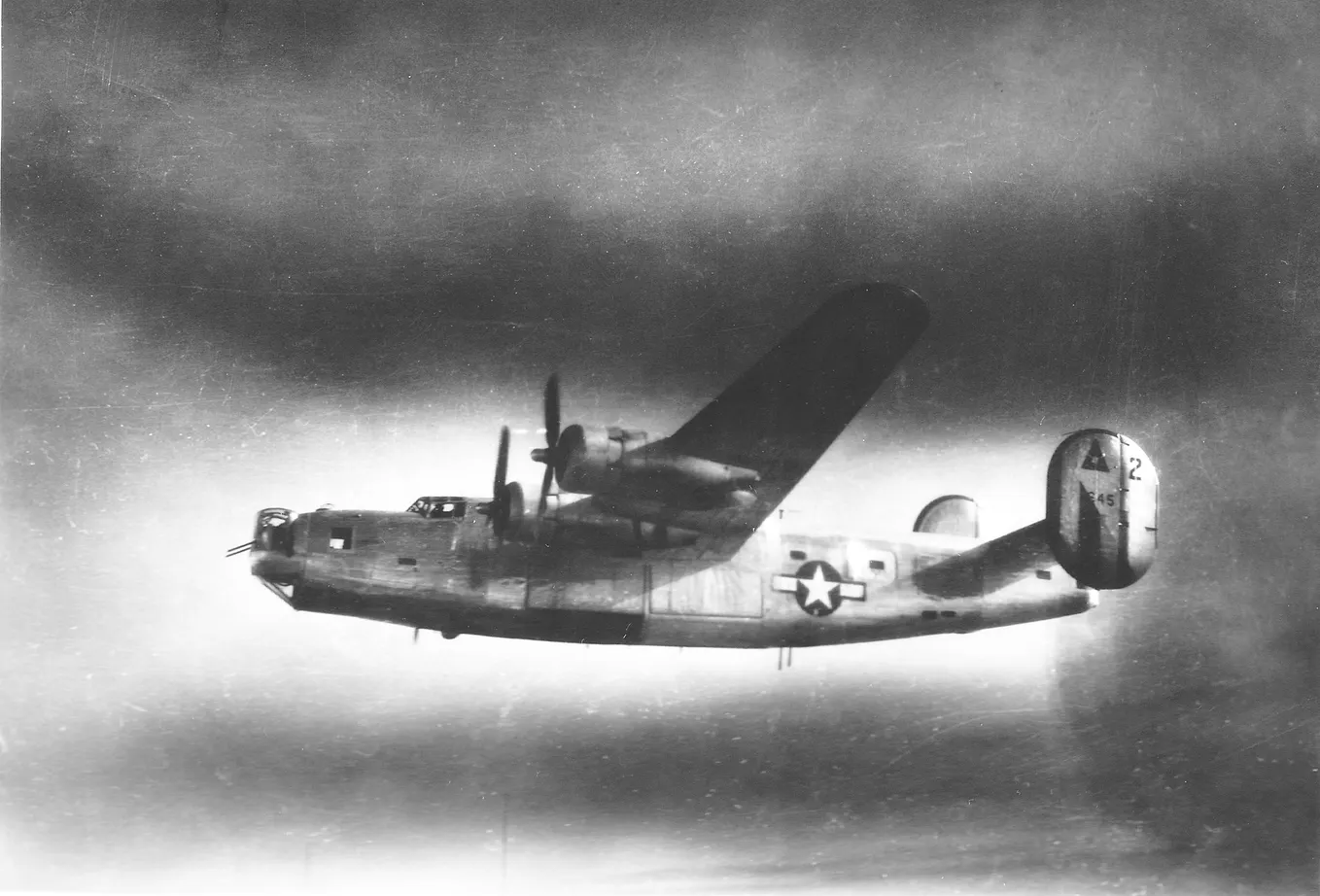
Looking back: one whirlwind experience, and a love affair with the B-24, both of which I can only really appreciate now that I’ve retired 50 years later… The Liberator was a magnificent machine for the purpose for which it was originally designed- for very long-range heavy bombing missions, often single plane missions of 14 to 18 hours. But it didn’t always get
The pilot approval it deserved. The B-24' s Davis wing required pilots to “work both sides of the step”.
Get lauriebonnie’s stories in your inbox
Join Medium for free to get updates from this writer.
Its high-efficiency wing design did not lend readily to the constant catch-up and over-run demands of tightly-held high-altitude formation flying, which was forced upon heavy bombers in the fighter-infested skies over Europe. In ‘tight’ flying, most of us pilots became quickly fatigued while our flight leaders, who by their frontal position, never had to work constantly at the controls to avoid “falling off the step”, demanded closer and closer formations. Sometimes to where wing tips were actually over lapping as their measure of professional esteem. Those of us who shared a field with returning 13–17’s often wondered at the well-rested, almost complacent appearance of their pilots after 6–8 hours of tight formation flying in their more-forgiving, older wing-design Boeings.

In addition to higher speed, larger bomb load, greater range and higher altitude, the B-24 was at its unparalleled best when on a long, steady, fuel-sensitive mission far beyond the range of any other heavy bomber of its day: across the Atlantic, to Russia, over the South Pacific, on night interdiction over Europe, a courier to DC, across the Pole, on a ‘whiskey run’ to wherever. At full lean, near redline, those four beautiful P&W’s hummed along faithfully at 28 gph for a steady 14 to 18 Firs, ground speed 320 at 32,000, straight arrow to destination, on time, full payload, fuel to spare.
That’s what the Liberator was designed for. And no other full-production bomber of its time could match it. Of course, it demanded more of its pilots and crew as a trade-off for its superior performance; and carelessness or ineptitude compelled a severe penalty. But those of us who flew it understood this, were more careful and self-disciplined, and felt pride in a partnership with this high-performance, critically designed machine with a special purpose. It was like working with a spirited thoroughbred whose track record would depend on how skillfully you treated him, and rejected him, and understood him.
Those 19,256 old bomb wagons. Built to win a war. We’ll miss you.
You were special.
Written for The Briefing — Winter 2000