Define Courage
By William Bonnifield, September 14, 2004


It was probably the first time in sixty ( 60 ! ) years that I’d ever been asked the question: “What was the most courageous thing you ever did during the war?” and — I’m not modest — I honestly didn’t know how to answer that among all the powerful memories of those event-filled three years of the first twenty impressionable years of my young life.
So, I’ve done a little research of my own: First, I didn’t understand exactly what the true meaning of the word “courageous” was. I’ve looked it up in our library, including a very special original-source, 1889 Yale Cyclopedia & Dictionary, of some 115 years ago. I found four definitions from four different sources. They’re not always identical. And, I’d expect several ‘hits’ on the Internet would bring up several more definitions for “courage”.
And I’ve learned that what often is purveyed in the name of that word does not resonate with truth. A lot of it is simple boasting and exaggeration. Some is outright intentional deception. Others are inaccuracies after the passage of time, probably without any purpose to bend the truth, but pre-conditioned by our recent exposure to some of the popular myths re-invented by, and accepted by, our current population’s need for some sense of purpose and meaning to their lives.
Whatever, it seems to me that true “courage” must involve at least four elements: First, the personal perception that you have something important to lose — your life, your permanent disability, your loved ones, your freedom, something of permanent and significant value. Second, an overwhelming adversary — a group, a person, a natural disaster, something there’s no certainty you can overcome or escape. Third, an interval of time during which you have a perceived awareness of consequences of your personal exposure to the first two, and have had a chance to evaluate and review these apparent threats and losses. And fourth, the voluntary decision to persevere against these known losses, these overwhelming forces, and knowingly continue to act against them over what appears to be an agonizingly long duration.
Get lauriebonnie’s stories in your inbox
Join Medium for free to get updates from this writer.
By this definition, it rules out a lot of heroics and actions that have been claimed as “courageous” in the past… It does not include blind and instantaneous reaction to an event or threat. It does not include an animal-level fury or instinctual behavior from our genetic heritage. It does not include actions in expectation of personal gain or reward. It does not include actions in expectation of military medals, publicity, glory, or chest ribbons.
It does include profound actions to retain and continue existing major values.
It does include that long, long, time period for evaluating consequences and alternatives.
If you’ll accept this more precise definition, I’ll be able to answer your question:
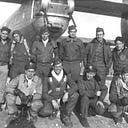
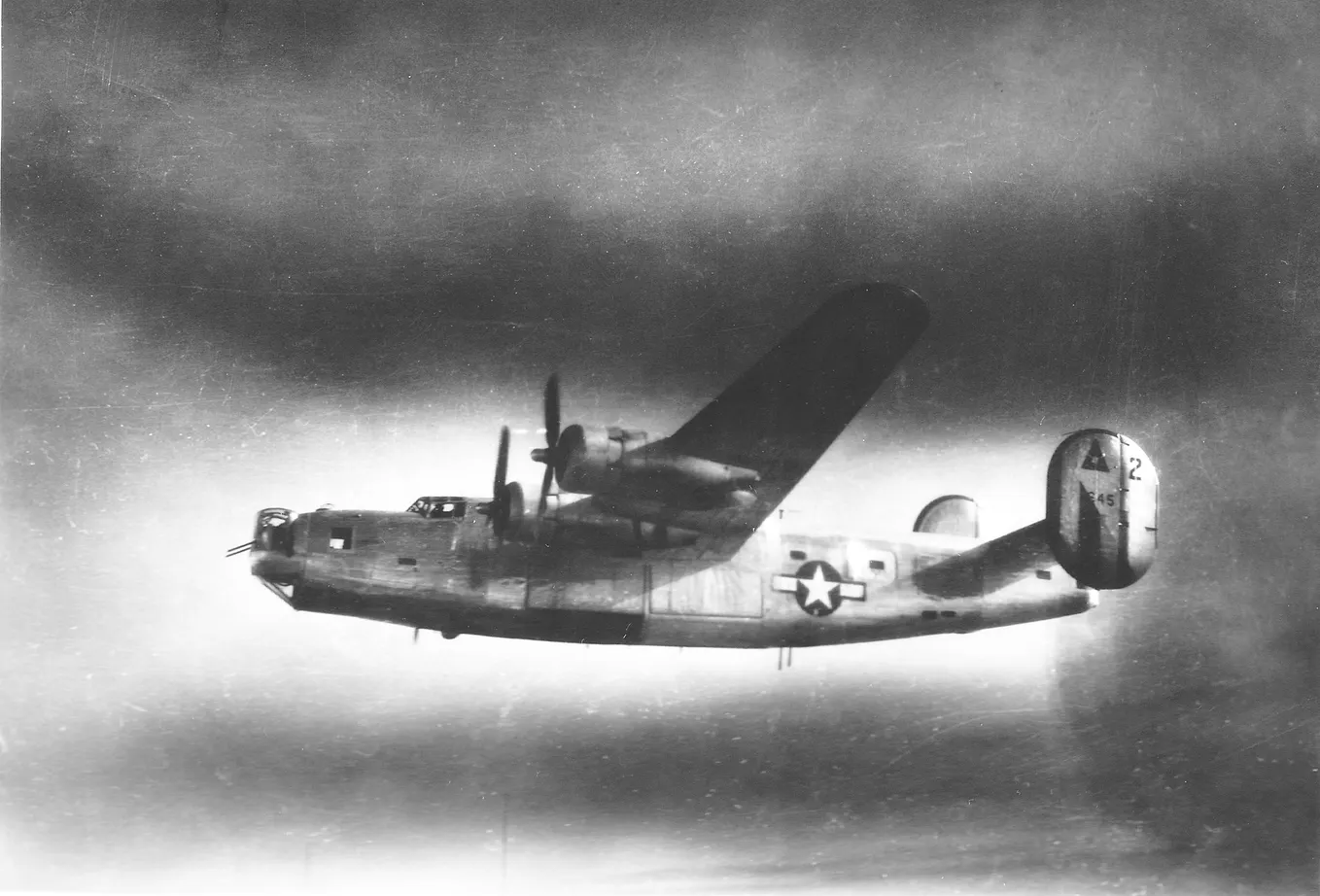
The most courageous action(s) in my experience during WWII were the nine bombing missions to Vienna’s coal-to-gasoline refineries, the largest concentration of anti-aircraft guns in history, and home of the Third Reich’s most expert fighter pilots from throughout all Europe. The duration of our crew’s awareness of the target, from briefing until bombs-away, was about six and one-half hours, plus about another three hours’ exposure to intense fighter attack on the way home. We also went through the anxieties of three additional missions to Vienna where we were turned back, or transferred to another alternate target, or on one occasion, crash-landed behind the German lines in Yugoslavia.
Which of these Vienna-bound missions took the most courage? It could have been February 8th, 1945. It’s difficult to say after sixty-some years, but in remembrance, the mission where we crossed Vienna from the southwest and then returned over that same target from the northeast, through that 12-mile block of continuous black 88 mm gunsmoke and vicious attacks of Me-109’s from every side both ways required the most courage — by the above definition. Brought `em all back, few injuries, no deaths, incredible plane damage, psychically exhausted.