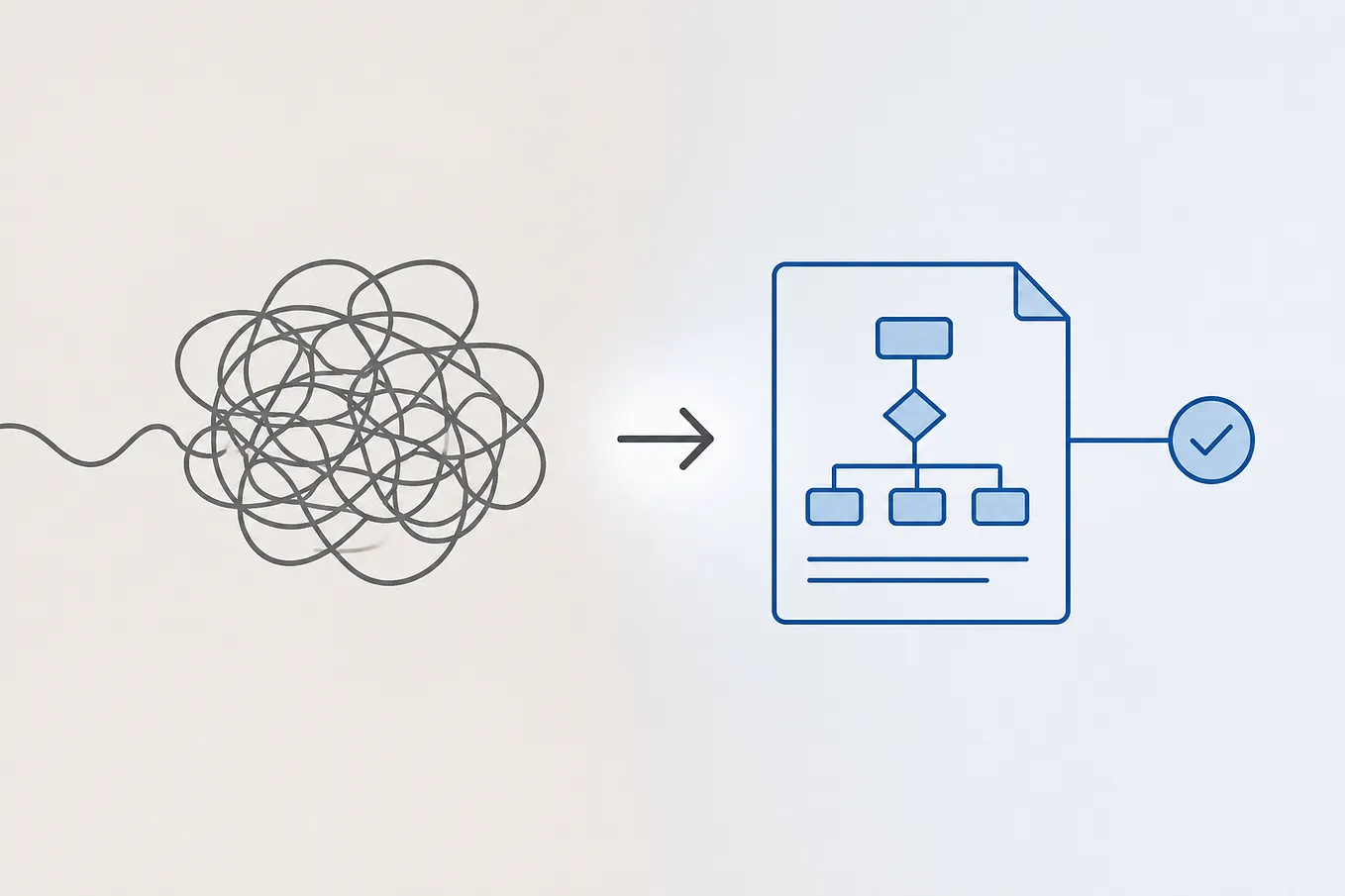
SDLC: How Software goes from Idea to Production
A beginner's guide to the Software Development Life Cycle
Table of content
- Introduction
- What is Software Development Life Cycle (SDLC)?
- Why does SDLC matters?
- SDLC Models
- Stages involve in SDLC
Introduction
Hiiiiiiii guys! 👋🏽 Have you ever wondered how a product moves from just one fanciful idea in someone’s mind to becoming a working solution that people actually get to use? 🤔 Or have you ever had an idea and thought, “Maybe all it takes is sitting in front of a computer, writing some code, and boom! 💥 The product is ready.”
Well, I used to think the same way. Personally, I had always wondered if that was all it took to get a software product up and running. But the more I learned about technology, the more I realized that there is much more to it.
I came to understand that behind every software product is a process.
There is a stage where we identify and define the problem. Then, we figure out what needs to be built to solve that problem. We design the solution, write the code, test it, fix what needs to be fixed, deploy it, and continue improving it even after people start using it. 🔄
This Process is Known as SOFTWARE DEVELOPMENT LIFE CYCLE
if you are a beginner and have always wondered “How does Software actually gets built?’, You’re in the right place and let’s take this journey together 🚀
What is Software Development Life Cycle?
The Software Development Life Cycle (SDLC) is a structured process used to plan, design, develop, test, deploy, and maintain software. In simple terms, SDLC is the process that takes software from an idea to a working product, while making sure that the product actually solves the problem it was created to solve.
let me explain it with something I love: cooking.
Think about the software development life cycle like cooking a meal, let’s imagine you suddenly start craving a nice plate of party jollof rice. 🍚.

It starts with a simple thought: “I really want to eat some good jollof rice today.” but having the craving doesn’t magically put the food on your plate. You have to think about what you want to cook, decide what you need to have the in getting the jollof(product) you are craving, go to the market to get the right ingredients, prepare everything, cook the meal, taste it to make sure it is right, and finally serve and enjoy your food. And even after serving it, you may realize that something is missing. Maybe it needs a little more salt or seasoning. So, you make the necessary adjustments.
That entire journey “from the initial idea to the final meal and the improvements you make along the way “is a simple way to understand what SDLC is all about.

Why does SDLC matters?
SDLC helps majorly in ensuring that the team understands what problem they are trying to solve before building the software. It also helps everyone on the team understand what the software should do and what users need. Most importantly, it gives the development team a clear process to follow, from planning to deployment.
Get Sheyi John’s stories in your inbox
Join Medium for free to get updates from this writer.
SDLC also helps identify and mitigate problems early, before they become bigger problems that can affect the overall success of the idea. Even after deployment, SDLC provides a way to maintain, update, and improve the software based on user feedback and changing needs.
Because of the different stages in the Software Development Life Cycle, it also helps improve teamwork and collaboration. It provides a clearer understanding of the responsibilities of different team members, including developers, designers, project managers, and other stakeholders, and how their roles contribute to the overall success of the software.

SDLC Models
Software Development Models are the framework that guides the planning, execution, successful delivery of our software projects, it helps in defining our development stages with key information like, requirement, design, coding, deployment, testing and maintenance. with software development models, we get to know what model will best fit the product we are moving from ideation into production.
We have Common models like Waterfall Model, Agile Model, SDLC Model, Spiral Model, Incremental Model, RAD Model.
Stages involve in SDLC
The Software Development Life Cycle (SDLC) typically consists of six or seven stages, depending on the development model used.
Stage 1: Planning & Feasibility Analysis
This stage determines whether the project is technically, financially, and operationally feasible.
Stage 2: Requirement Specification (SRS)
In this stage, detailed functional and non-functional requirements are documented clearly and approved by stakeholders.
Stage 3: System Design
In this stage, the approved requirements are transformed into a technical blueprint for implementation. in this stage, the product designer gets to give a visual demonstration of the detailed functional and non-functional requirement for the project.

Stage 4: Development (Coding)
Here the design team works closely with the development team to build the software based on the approved design.
Stage 5: Testing
The Project Manager oversee the testing procedure and ensures that the software meets requirements and is free from defects before release.
Stage 6: Deployment
In this stage, the software production is set up, deployed and smoke tested initially by the team before the tested software is released to users.
Stage 7: Maintenance
Here we have post-deployment support to ensure long-term usability of the software.
Finally guys, we come to generally understand that SDLC is not simply about writing code and launching an application. 🚀 It is a process that helps us move from:“I have an idea that could solve this problem” 💡to .“I have built, tested, and delivered a solution that people can actually use.” 🎯.
Thank you for reading!
Kindly clap and follow me for more updates and articles. Thank you again, dear reader!