India’s Ad Budgets Just Crossed a Line Most Small Brands Haven’t Noticed

Digital advertising now owns the majority of India’s ad spend. Here’s what that shift means if your marketing plan still treats it like a side channel.

Digital advertising now takes roughly six out of every ten rupees spent on ads in India, and several industry reports put that share above 65% by the end of 2026. If your marketing plan still treats digital as one channel among several, you’re not slightly behind a trend. You’re planning against a market that doesn’t exist anymore.
I work across education, real estate, SaaS, FMCG, and e-commerce clients, and I’m seeing the same gap in almost every budget conversation. The plan on paper still looks like 2019: a chunk for “digital,” a chunk for “offline,” maybe a line item for influencers because someone on the team asked for it. Meanwhile the actual behavior of the market has already moved past that split. This piece is about what changed, why it happened faster than most people expected, and what to actually do about it if you’re not running a national ad budget.
What actually happened to India’s ad spend in 2026?
Dentsu India’s 2026 Digital Advertising Report puts digital media at 61% of India’s total ad spend this year, with television at 28% and print at 17%. WPP Media’s numbers run even higher, putting digital’s share closer to two-thirds of total spend by the end of 2026 and projecting it will approach 70% by 2027. The exact number depends on which agency’s methodology you trust, but the direction is not in question. Television’s share has been sliding for three straight years, from 31% in 2023 down to the high 20s now. Print has been losing ground even faster.

This isn’t digital “catching up” anymore. It’s digital setting the terms, with television and print filling in around it.
Why did this happen faster than most marketers expected?
Three things converged at once, and none of them are temporary.
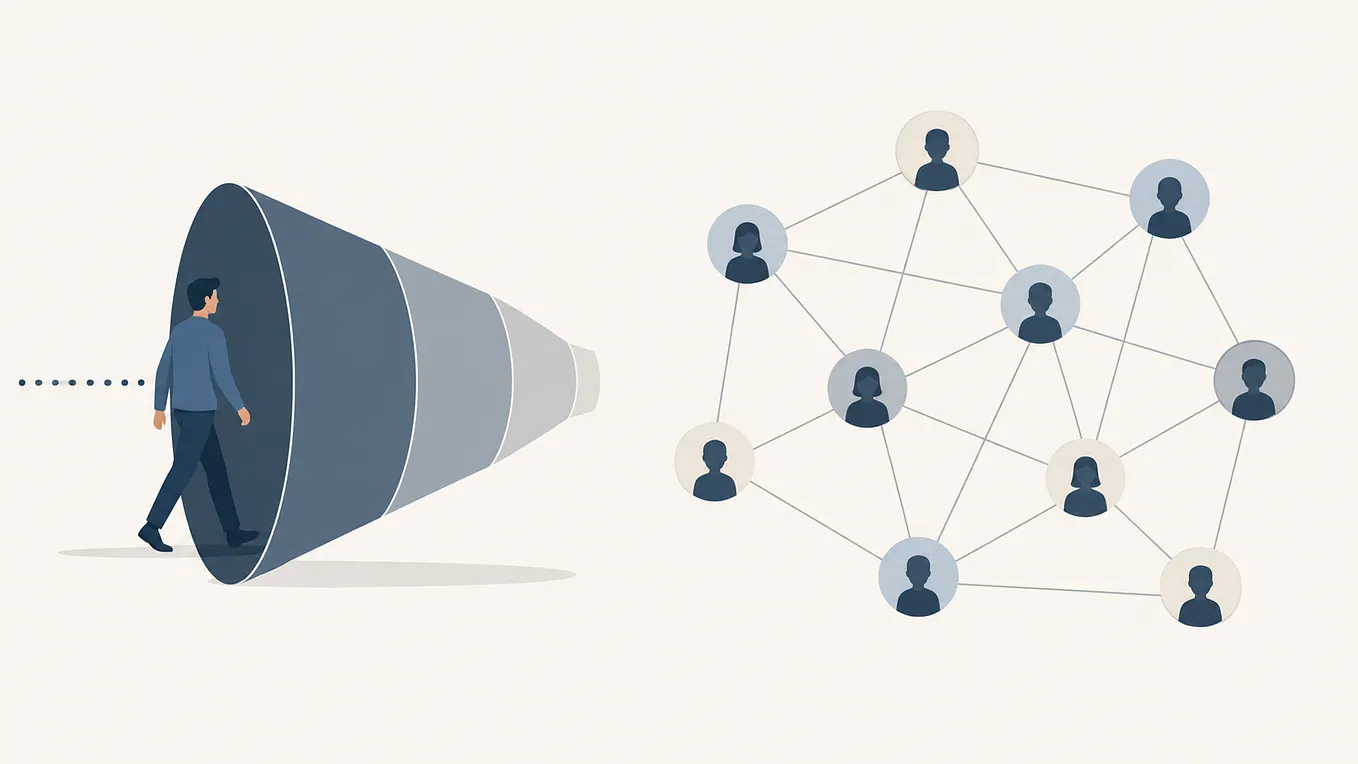
First, vernacular internet use hit critical mass. Over 900 million people are online in India now, and more than 70% of them consume content in a regional language, not English. That’s a market of roughly 540 million regional-language users that most marketing plans still write for in English and hope it translates. Platforms built specifically for this audience, ShareChat being the clearest example, have grown past 350 million active users with engagement rates running well above English-first platforms. Regional-language video and voice content is outperforming English-equivalent content by 50 to 100% on engagement, depending on the category.

Second, influencer marketing stopped being a side experiment and became a budget line with its own growth curve. India’s influencer marketing spend is growing at roughly 25% a year, more than double the growth rate of digital advertising overall. That tells you where new money is actually going, not just where existing money is being reallocated from.
Get Touheed Jamal’s stories in your inbox
Join Medium for free to get updates from this writer.
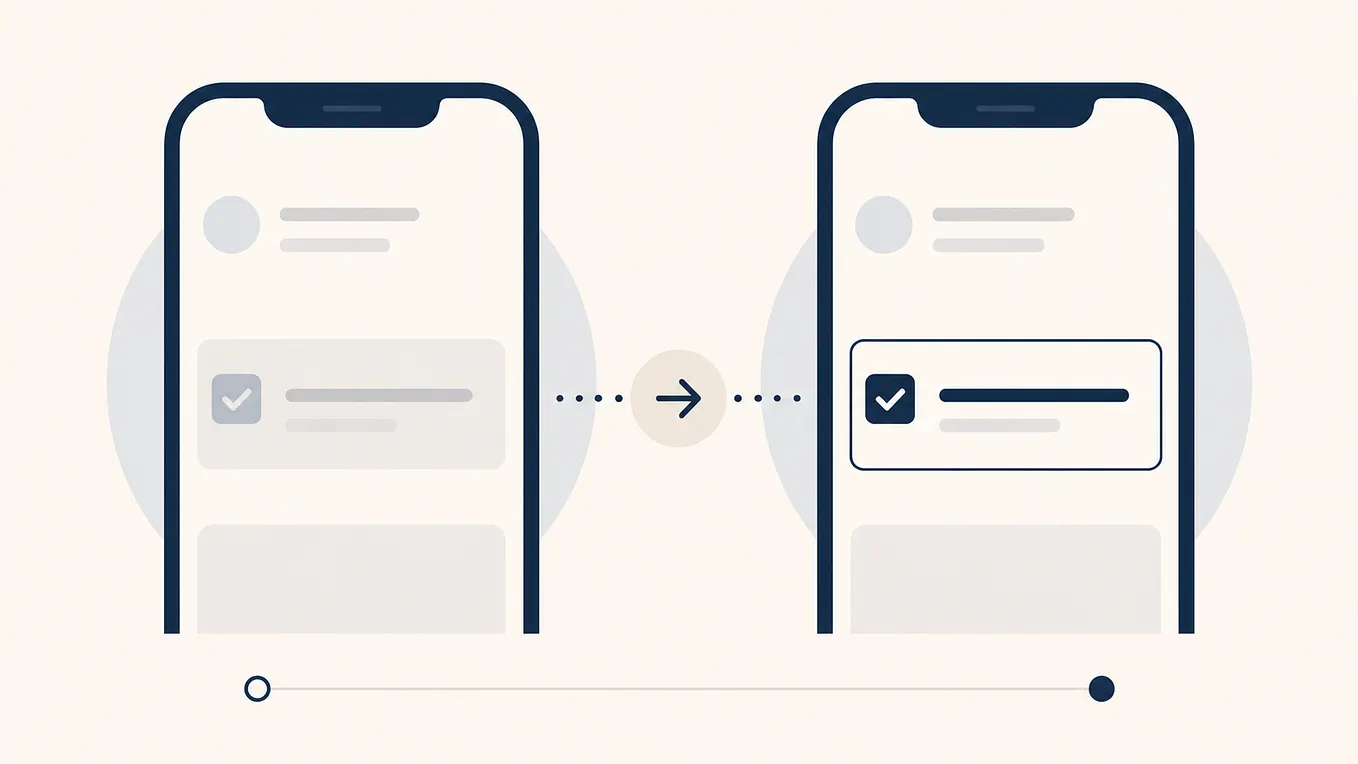
Third, the wall between brand spend and performance spend is coming down. For years, Indian marketers ran two separate budgets: one for brand-building that nobody could measure well, and one for performance that was measured to the rupee. In 2026, that split is breaking down because almost every channel, including video, audio, and influencer content, can now be tracked with reasonable accuracy. When everything is measurable, “brand” stops being an excuse to avoid accountability, and “performance” stops being the only place marketers put real thought.
What does this mean if you’re not a national brand?
Most of the coverage of this shift is written for CMOs at companies spending crores a month. If you’re running marketing for a smaller business, education brand, or growing D2C company, the headline numbers don’t matter as much as the practical version: your competitors, especially the ones who started digital-native, are no longer allocating budget the way you might still be. Some of them never had an “offline” line item to begin with.
The businesses getting hurt right now aren’t the ones with small budgets. They’re the ones with budgets stuck in an old shape, still assuming English-first creative, a handful of big-platform ad buys, and a separate small experiment for “content” that never gets real resourcing.
Where should a small or mid-size budget actually go?
A few practical shifts, based on what I’m seeing work across different industries right now.
- Treat regional language as a primary channel, not a translation task. If your core creative is built in English and then translated, you’re already behind. The brands winning attention in regional markets are writing and shooting for that language first, not adapting an English script.
- Budget for influencer and creator content as its own line, sized to your revenue, not your leftover budget. Current guidance for Indian small businesses is to put 5 to 10% of the total marketing budget toward influencer and affiliate work, out of a total digital marketing spend of roughly 5 to 12% of revenue depending on company size. Nano and micro creators are affordable enough that this doesn’t require a large budget to start. Rates for a single reel from a nano or micro creator typically run from a few thousand rupees up to around fifty thousand, depending on the creator’s following and the category.
- Stop treating “brand” and “performance” as different budgets with different owners. If a channel is measurable, and in 2026 almost all of them are, it should be planned and reviewed the same way. Separate budgets usually mean separate accountability, and separate accountability is how weak spend hides.
- Build a lightweight system for producing content at the volume the algorithm actually rewards. Most small businesses need somewhere between six and ten short-form pieces a month just to stay visible in current distribution. That’s not a campaign. That’s a production habit, and it needs a process, not a one-off shoot.

What should you do this quarter?
You don’t need to rebuild your entire marketing plan overnight. Start by pulling your last two quarters of spend and mapping it against these four questions honestly: How much of your creative is genuinely built for a regional-language audience versus translated after the fact? What share of your budget goes to creators, and is it a real line item or an afterthought? Are brand and performance spend still reviewed separately? And do you have any repeatable system for producing content, or does every piece start from scratch?

Wherever the honest answer makes you uncomfortable, that’s where to move budget first. The shift already happened. The only open question is how long your plan takes to catch up to it.